

57 Leigh Road, Eastleigh, Southampton, SO50 9DF
How Much Does Composite Bonding Cost in Southampton? Prices and What Affects Them
ORION Dental Team • 6 October 2026
If you're considering composite bonding, the cost will depend on how many teeth need treating and how much work each one needs. Repairing a small chip is different from reshaping several front teeth as part of a smile makeover. There is no fixed price that fits everyone. This guide explains local starting prices, what a quote should cover and how to decide whether bonding is right for you.
What Is Composite Bonding?
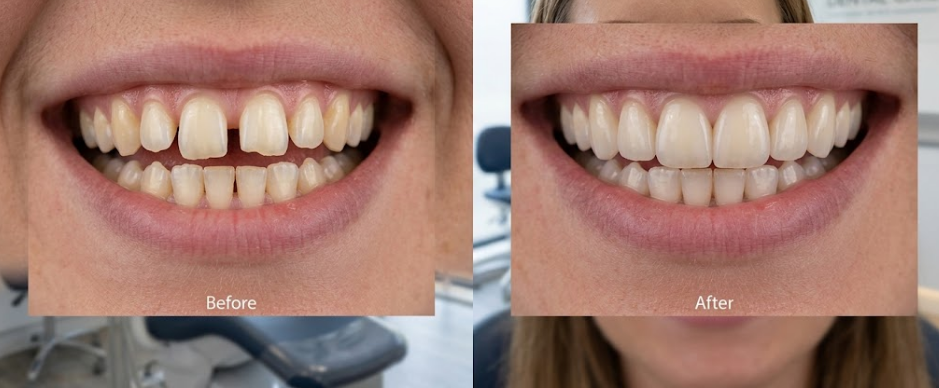
Composite bonding uses tooth-coloured resin to alter or restore a tooth's appearance. Your dentist applies, shapes and polishes it to blend with surrounding teeth. It may help with chips, worn edges, small gaps, uneven shapes, differences in length or some discolouration. It can often be completed in one appointment without extensive alteration of the natural tooth, though this depends on the case. It is worth discussing the precise change you want, as a small repair and a broader cosmetic improvement call for different plans.
How Much Does Composite Bonding Cost in Southampton?
Bonding is usually priced per tooth, but the same label can describe a tiny edge repair or a more involved change across several teeth. Published Southampton fee guides checked on 7 October 2026 show composite bonding from £250 per tooth, composite edge bonding at £290 per tooth, and composite bonding from £355 per tooth. These figures come from separate local listings and describe different types of work. They are useful as a guide, not a quote for your own treatment or an indication of ORION’s fee.
An advertised “from” price may apply only to a straightforward repair. Your total could also include work on other teeth or care needed before bonding begins. A plan based on an assessment gives you a clearer basis for judging the cost, rather than comparing starting prices alone.
At ORION Dental & Implant Centre in Eastleigh, near Southampton, your dentist will assess your teeth, bite and goals before recommending treatment. ORION’s online
fee list does not currently give a bonding-specific price.
| Treatment consideration | How it can affect the cost |
|---|---|
| Number of teeth | More teeth usually means a higher overall treatment cost |
| Amount of bonding | Small edge repairs require less work than significant reshaping |
| Complexity | Detailed shaping, symmetry and bite considerations can increase treatment time |
| Existing dental health | Decay, gum problems or other issues may need attention first |
| Additional cosmetic treatment | Whitening or clear aligners may be recommended before bonding |
| Finishing and maintenance | Polishing and future repairs may form part of long-term care |
At ORION Dental & Implant Centre in Eastleigh, the right approach is to assess your teeth and cosmetic goals first, then discuss the appropriate treatment plan rather than trying to give every patient the same price.
What should a bonding quote include?
Ask for a written estimate showing the number of teeth, the work planned for each, any preparatory treatment and possible later polishing, review or repair costs. Check whether the proposal is for a small edge repair or fuller reshaping, and ask how the fee might change if further work is needed. The NHS advises asking about the full cost, aftercare and any extra treatment before a cosmetic procedure. For a price based on your own teeth, arrange a cosmetic assessment and explain what you would like to change.
What Affects the Cost of Composite Bonding?
1. How Many Teeth You Want to Treat
A chipped front tooth may need bonding on only one tooth. Improving the symmetry of a smile could involve several upper front teeth. More treatment should not be assumed necessary: the aim is to achieve the result you want with an appropriate amount of work. Ask why each proposed tooth is included in the plan.
2. How Much Work Each Tooth Needs
A small edge repair is generally simpler than changing a tooth's apparent length, proportions or shape. The latter requires careful sculpting so that the treated teeth look balanced with the rest of your smile. More complex cases may need additional appointments, planning or diagnostic work.
3. Whether You Need Other Treatment First
Decay, gum disease or bite problems should be assessed before cosmetic work. If you also want a brighter smile, your dentist may suggest
professional whitening first, then match the composite to your new natural tooth shade. This may affect both the sequence of appointments and the overall cost.
What Happens During Composite Bonding?
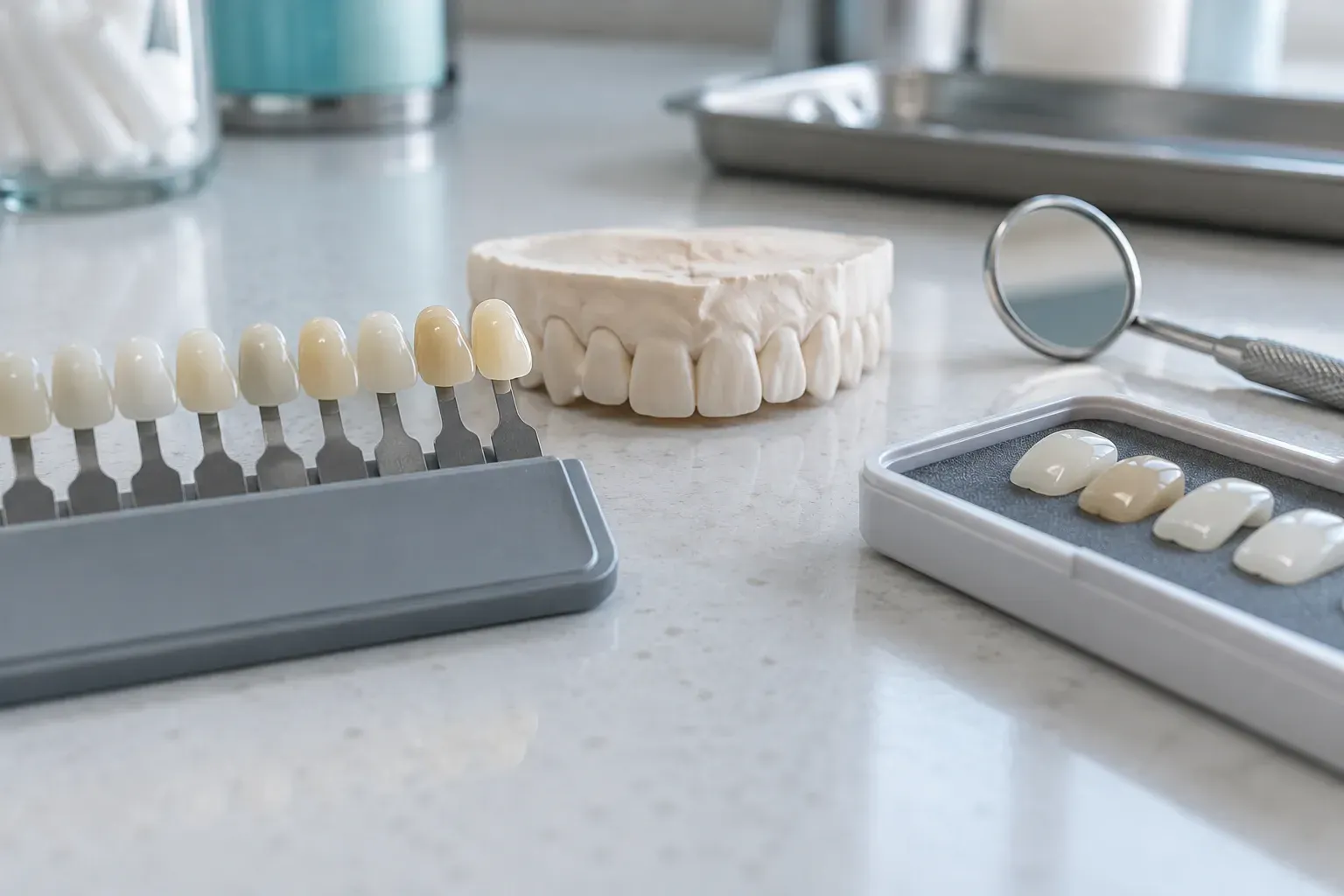
Your dentist checks whether your teeth and gums are suitable, discusses the result you want and chooses a shade. Where bonding is appropriate, the resin is applied, shaped, hardened and polished. A small repair may take one visit; treating several teeth may need more planning or appointments. Bonding often involves little or no removal of healthy tooth, but this cannot be assumed for every case. Your dentist should explain any preparation your teeth personally need.
Should I Whiten My Teeth Before Composite Bonding?
Usually, if you are planning to whiten your natural teeth, whitening should take place before composite bonding.
Composite resin does not whiten in the same way as natural tooth enamel. If bonding is placed first and you whiten afterwards, your natural teeth may become lighter while the bonded areas stay at their original shade.
A typical sequence may therefore be:
- Dental assessment and discussion of your goals
- Teeth whitening, if appropriate
- Allowing the shade to stabilise
- Matching the composite to the final tooth shade
- Composite bonding and final polishing
If whitening is part of your plan, ask about Teeth Whitening before your bonding is carried out.
How Many Teeth Do I Need Composite Bonding On?
There is no fixed number.
For a small chip or isolated cosmetic issue, bonding on one tooth may be enough. Other patients may want several front teeth treated to create better symmetry.
If the main concern is crooked or crowded teeth, however, bonding may not be the most appropriate first step. Clear Aligners may be worth discussing if tooth position is the main issue.
Bonding can sometimes be used after orthodontic treatment to make small cosmetic refinements.
Is Composite Bonding Cheaper Than Veneers?
Composite bonding generally has a lower initial cost than porcelain veneers and is applied directly to the tooth, often with minimal alteration.
Porcelain veneers are custom-made to cover the front of a tooth. They tend to resist staining better and may last longer, but usually cost more and involve more treatment. For a minor change, bonding may be the more conservative option; a larger transformation may warrant discussing veneers. The right choice depends on your goals and the condition of your teeth.
| Feature | Composite bonding | Porcelain veneers |
|---|---|---|
| Typical initial cost | Lower | Higher |
| Material | Tooth-coloured composite resin | Porcelain |
| Tooth preparation | Often minimal | Usually requires preparation |
| Stain resistance | More susceptible to staining | Highly stain resistant |
| Repairs | Often easier to repair | Replacement may be required |
| Treatment suitability | Minor to moderate cosmetic changes | Wider range of cosmetic changes |
The right choice depends on your teeth, your expectations and how much change you want to make.
How Long Does Composite Bonding Last?
Composite bonding can commonly last around 5 to 10 years, although there is considerable variation between patients and treatments.
Some bonding may need attention sooner, particularly if it is exposed to heavy biting forces or becomes chipped.
Its lifespan can be influenced by:
- Teeth grinding or clenching
- Biting pens, nails or hard objects
- Heavy biting on hard foods
- Smoking and staining foods or drinks
- Oral hygiene
- The amount and position of the bonding
- Regular dental care
Routine polishing can help maintain the appearance of composite, while minor repairs may be possible if a bonded edge becomes chipped.

Is Cheap Composite Bonding Worth It?
Price is understandably important, but it should not be the only thing you compare.
Good cosmetic bonding involves much more than applying resin to a tooth. The dentist needs to consider tooth proportions, colour, translucency, contours, your smile and how the teeth meet when you bite.
The quality of the final result can therefore depend heavily on clinical judgement and artistic attention to detail.
A useful question to ask is not simply, "How much is composite bonding per tooth?" but also, "What is included in the treatment and how will the result be planned?"
Could I Combine Composite Bonding With Other Cosmetic Treatments?
Yes. Composite bonding is sometimes part of a wider cosmetic treatment plan.
For example, a patient may have:
- Teeth whitening followed by bonding
- Clear aligners followed by cosmetic edge bonding
- Bonding combined with other restorative work
- Several treatments planned as part of a Smile Makeover
The order matters. Whitening, orthodontics and bonding can produce different results depending on which treatment is carried out first. A
Cosmetic Consultation gives you an opportunity to discuss your goals and understand the options before committing to treatment.
Frequently Asked Questions
How much does composite bonding cost per tooth in Southampton?
Composite bonding prices in Southampton vary depending on the dentist, the amount of work required and the number of teeth being treated. Local published prices can start from around £250 per tooth, but the exact cost will depend on your individual treatment needs.
Is composite bonding cheaper than veneers?
Composite bonding generally has a lower initial cost than porcelain veneers and usually requires less preparation of the natural tooth. Veneers are more resistant to staining and can last longer in suitable cases, so your dentist can help you compare both options based on your teeth and cosmetic goals.
Do I need teeth whitening before composite bonding?
If you are planning to whiten your teeth, it is generally best to do this before composite bonding. The composite is colour-matched to your teeth and does not whiten in the same way as natural enamel. Whitening first allows the bonding to be matched to your final tooth shade.
How long does composite bonding last?
Composite bonding can often last around 5 to 10 years, although this varies between patients. Good oral hygiene, regular dental check-ups and avoiding habits such as biting hard objects can help protect the bonding and maintain its appearance.
Thinking About Composite Bonding in Southampton?
If you are comparing the cost of composite bonding in Southampton, online prices can give you a useful starting point, but they cannot tell you exactly what your own treatment will cost.
The number of teeth, amount of reshaping, existing dental health and whether you would benefit from whitening or clear aligners can all affect the final treatment plan.
For patients in Southampton, Eastleigh and across Hampshire, an individual assessment is the best way to understand what is suitable for your smile and what you can expect to pay.
If you are considering composite bonding, you can
Book a Cosmetic Dentistry Consultation with ORION Dental & Implant Centre to discuss your goals and receive advice based on your individual needs.

Not sure where to start with improving your smile? Discover the most popular cosmetic dentistry options available near Southampton at Orion Dental.

Nervous about visiting a dentist in Southampton? Here’s what to expect at your first appointment and how to feel more at ease.