

57 Leigh Road, Eastleigh, Southampton, SO50 9DF
ORION Dental & Implant Centre
Dental Bridges
If you’ve lost one or more teeth through injury, decay or gum disease, a dental bridge can restore your smile, improve function and prevent further dental problems.
These are usually ceramic or ceramic and metal crowns which are used to fill the gap left by a missing tooth.
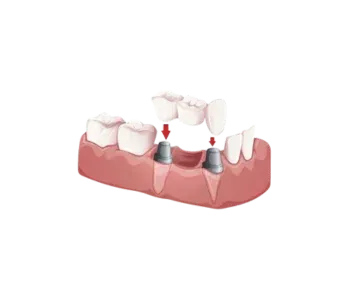
A dental bridge typically consists of one or more false teeth (pontics) held in place by crowns on the adjacent natural teeth, which serve as supports (abutments).
This restoration helps restore chewing function, improve speech, and maintain the shape of your face by preventing surrounding teeth from shifting into the empty space. They are fixed in place so you do not remove them.

Types of Dental Bridges
Every mouth is different, so your bridge will be designed specifically for you.
We offer several types of bridges, each with its own benefits:
Traditional Bridge
The most common type, supported by crowns or implants on either side of the gap. These crowns hold the artificial tooth (or teeth) securely in place.
Resin Retained Bridges
A unique form of bridge where the false tooth (Pontic) is held on to the adjacent tooth using a metal wing on the inside surface. In the right situations these are great because they do not involve drilling or preparation of the adjacent teeth and fit in with our ethos of minimally invasive dentistry.
Cantilever Bridge
Used when there’s only one supporting tooth next to the gap, often at the end of a dental arch.
This type provides a reliable solution where space is limited.
Implant-Supported Bridge
When multiple teeth are missing, dental implants can act as anchors for a bridge, providing superior strength and stability.
What it Involves
Your Treatment Journey
Your dentist will begin with a detailed consultation and assessment to determine which type of bridge is most suitable for you.
Impressions or Digital Scans – Accurate measurements are taken to create your custom bridge.
Preparation – The supporting teeth (if used) are shaped to hold crowns, or implants are placed if required.
Temporary Bridge – A temporary bridge may be fitted to protect the area while your permanent one is made.
Fitting & Adjustment – Once your bridge is ready, it’s fitted under local anaesthetic, checked for comfort, and adjusted for a perfect bite.
With good oral hygiene and regular dental check-ups, bridges can last between ten and fifteen years — often longer.
Benefits of Treatment
Why Choose a Dental Bridge?
A dental bridge offers both practical and cosmetic benefits:
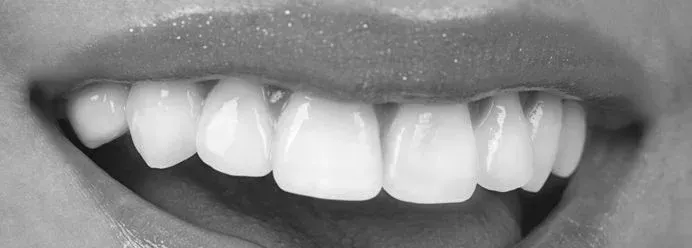
Restores confidence – Filling the gap gives you a complete, natural-looking smile.
Improves oral function – Eat and speak comfortably again.
Prevents movement – Keeps surrounding teeth in their correct position.
Long-lasting solution – A durable restoration that can last over a decade with proper care.
Caring for Your Bridge
Brush twice a day, floss daily (using a floss threader to clean under your bridge) and attend regular dental check-ups.
Avoid biting hard foods or objects, and let us know if you grind your teeth so we can advise on protective options.
With the right care, your bridge will remain comfortable, functional, and natural-looking for many years.